
01
Focus on the Eye Area
Eye surgery addresses the eyelids and the delicate area around them. It may refine excess skin, muscle or fat and can be considered after previous procedures. The aim is a refreshed appearance that still looks like you.
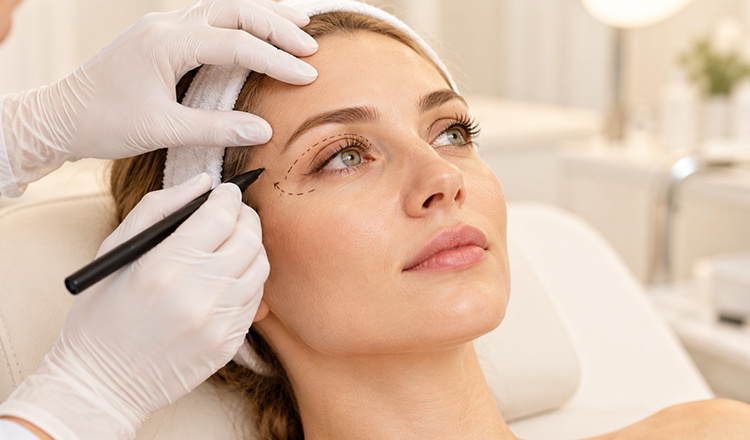
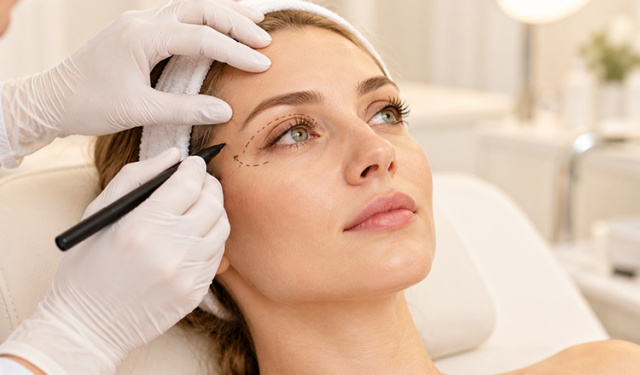
01 / OVERVIEW
Eye surgery addresses the eyelids and the delicate area around them. It may refine excess skin, muscle or fat and can be considered after previous procedures. The aim is a refreshed appearance that still looks like you.
Hooded upper lids, under-eye fullness and changes around the eyes may be concerns to discuss. Surgery does not remove every fine line or change skin quality, and it does not stop the ageing process.
02 / THE APPROACH
Incisions are commonly placed within natural eyelid creases or just below the lower lash line. Placement depends on your anatomy and the procedure planned. Scars are permanent, though they often become less noticeable as they mature.
The eye area is delicate, so changes are usually measured and conservative. The surgeon selects the technique after assessing your skin, muscle and underlying structure.
Revision eye surgery can address asymmetry or unsatisfactory results from a previous procedure. It may be more complex and requires an individual assessment of the available tissue.
03 / SUITABILITY
You may consider a consultation if the appearance of your eyelids concerns you and your expectations are realistic. Eye health, general health, medications and factors that affect healing all matter. Age alone does not determine suitability.
Upper-lid, lower-lid or combined procedures may be discussed. Vision and dry-eye symptoms should be assessed first. Online enquiries help begin the conversation; the final decision requires an in-person medical assessment.
04 / RECOVERY
Swelling, bruising and mild discomfort can occur around the eyes. Rest and follow the surgical team’s instructions for wound care, medication and head position. Use any prescribed eye drops only as directed.
Follow your surgeon’s advice about screen time, contact lenses, bending and strenuous activity. Do not rub or massage the treated area, and keep the wounds clean and dry as instructed.
Recovery varies with the procedure and the individual. Arrange time away from work and social activities, and obtain clearance before exercise or travel. The final appearance settles gradually.
05 / YOUR QUESTIONS
Changes may last for years, but ageing continues. Longevity depends on the technique, tissue quality, lifestyle and other individual factors. No specific duration can be guaranteed.
• Incisions are usually placed in natural eyelid creases or along the lower lash line, so they are discreet.
• Fine sutures and careful closure help support neat healing.
• Scars are permanent, but their visibility often lessens as they mature.
• Sun protection and gentle skin care may be recommended during healing.
• Your surgeon will explain scar care based on the exact incisions planned for you.
Eye surgery is usually performed for appearance. It does not correct vision. If you have visual concerns, these should be assessed separately by an eye specialist.
Anaesthesia and recovery needs vary with the procedure and the individual. Discuss the options, monitoring and recovery plan with your clinical team before deciding, and confirm any instructions you should follow.
Request an itemised quotation after assessment. Confirm what is included for the surgeon, anaesthesia, facility, tests, aftercare and any additional procedures, and ask about possible further costs.


